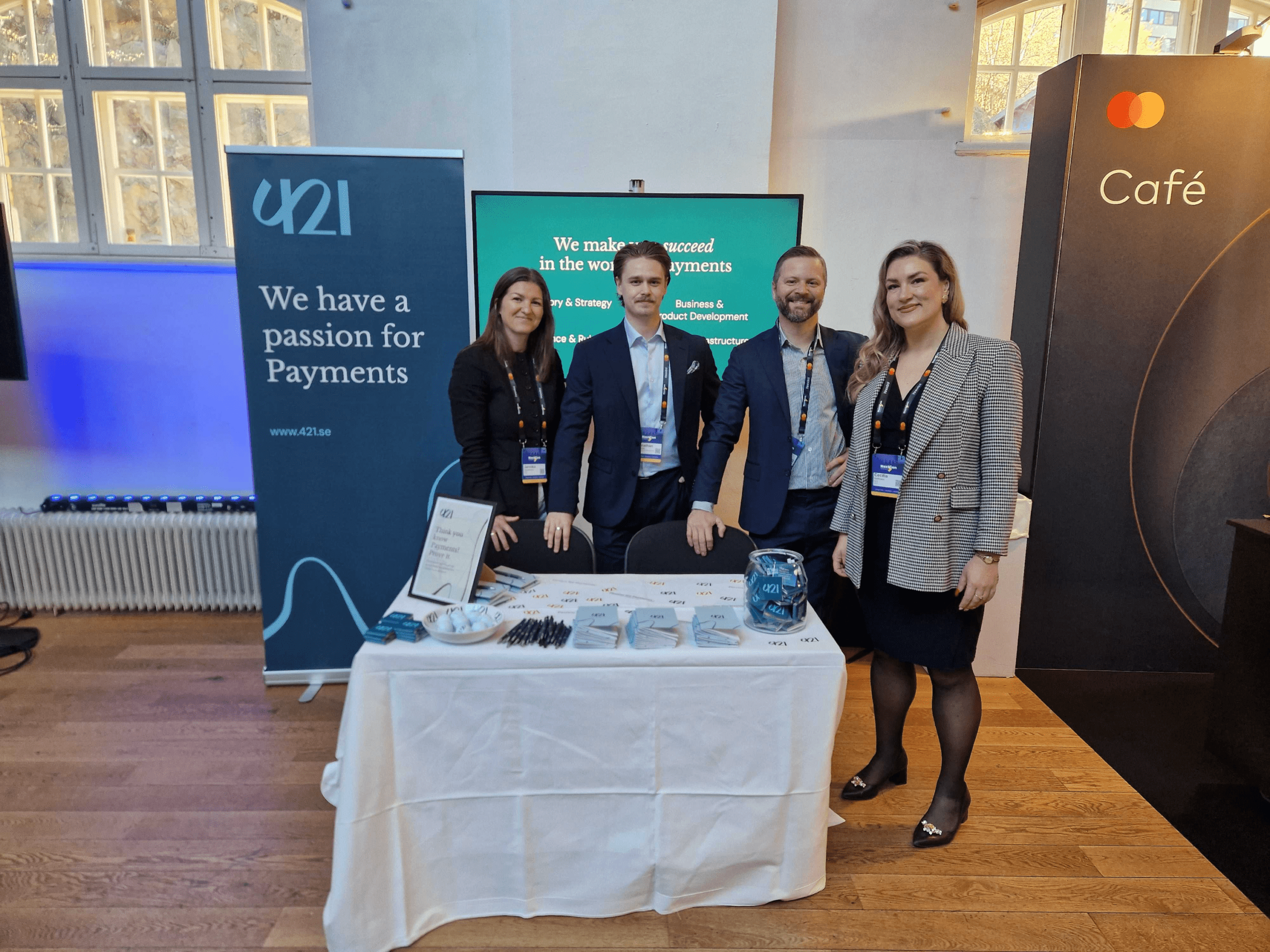


At NextGen Nordics 2026, the conversations felt both grounded and speculative. It was indeed a gathering of an industry caught between maintaining yesterday’s infrastructure and imagining tomorrow’s possibilities.
Legacy Systems and Modern Banking Innovation
Banks were candid: legacy systems are still heavy anchors. Modernization isn’t just a technical challenge; it’s a constant balancing act between stability and innovation. Yet hovering over nearly every discussion was AI’s promise as well as uncertainty. While enthusiasm was everywhere, tangible customer-facing use cases remained surprisingly scarce. Is AI truly transforming banking yet, or are we still in the phase of anticipation?
AI in Banking: An Opportunity or a Fraud Risk?
There was also a sharper edge to the AI conversation: fraud. As tools become more sophisticated, so do bad actors. A recurring question lingered – can banks evolve quickly enough to keep pace with AI-driven threats, or will fraud always stay one step ahead? Collaboration across the industry was framed not as a nice-to-have, but as essential.
Less Focus on Infrastructure, More Focus on the Customer
Looking toward 2027, voices echoed a quiet hope: less focus on infrastructure, more on the customer. Today’s discussions on SEK batch systems and payment rails often feel detached from end-user value. Once the rails are built, what will actually run on them? And who is designing that journey?
Payments in 2027
Perhaps the real story isn’t whether innovation will lead or lag – but how it will be experienced. As AI takes on more of the complexity behind the scenes, payments will become less visible and more intuitive. By 2027, the impact of innovation may not be something users notice outright, but something they feel in every frictionless interaction. In that sense, uncertainty today may simply be the early signal of a future that just works.
Share: